Chapter 09The Dardanelles40.41° N · 26.67° E
Gallipoli
Where myth meets the strait — the walls of Troy, the memory of Gallipoli, and the mountain home of the gods.
Where Legend Runs Deepest
The Strait of Legends
Few stretches of water carry as much story as the Dardanelles. This chapter begins in Gallipoli and reaches across the strait to Troy and the surrounding coast. The peninsula’s quiet shores and memorials invite reflection; across the water, the excavated walls of Troy bring a different, much older story into view. We connect these places with time to understand each on its own terms.
The country here is soft and green — pine-dark mountains, olive groves running to the sea, whitewashed fishing villages, and vineyards catching the strait's cool wind. Above it all rises Mount Ida, which the ancients called the throne from which the gods watched the Trojan War, and where the first beauty contest in myth — the Judgement of Paris — set the whole tragedy in motion. To travel here is to move through the founding stories of Western civilization, rendered in real stone and sea.
And it is a coast of pilgrimage. On the Gallipoli peninsula, across quiet fields above the water, lie the memorials of one of the First World War's most harrowing campaigns — a place of profound significance to Australians, New Zealanders, Turks, and the British alike, where remembrance is still very much alive. Few places hold silence the way Gallipoli does.
This is the chapter for the traveller moved by story — by Homer and Herodotus, by Aristotle and St. Paul, by courage and loss — in the company of people who can bring the Iliad to life on the ruins where it was set, and hold the quiet at Gallipoli with the care it deserves.
“Here Homer set the Iliad, here Xerxes bridged the sea, here a generation was lost — no strait on earth carries more of the human story than this one.”
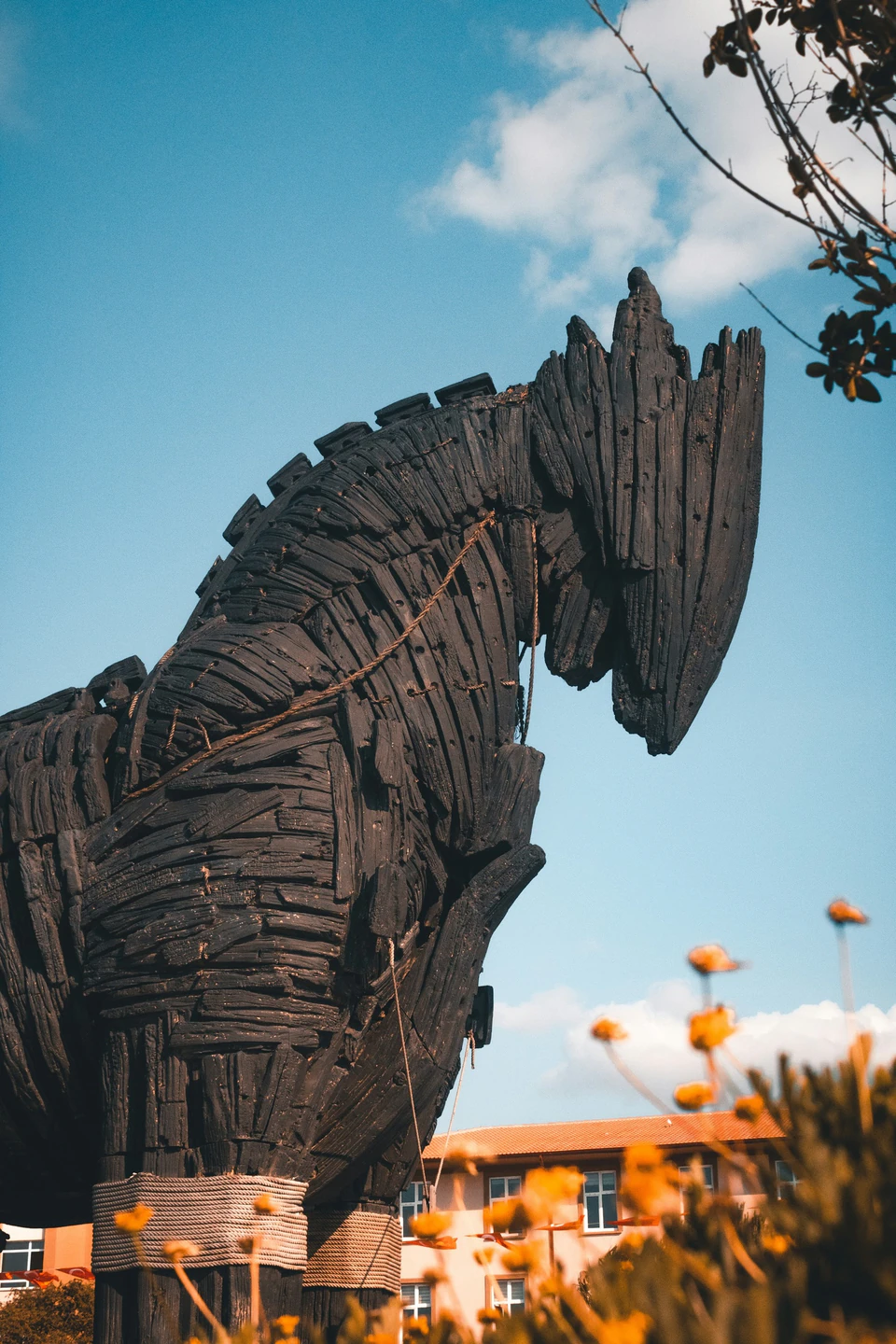
Troy: In the Footsteps of Achilles
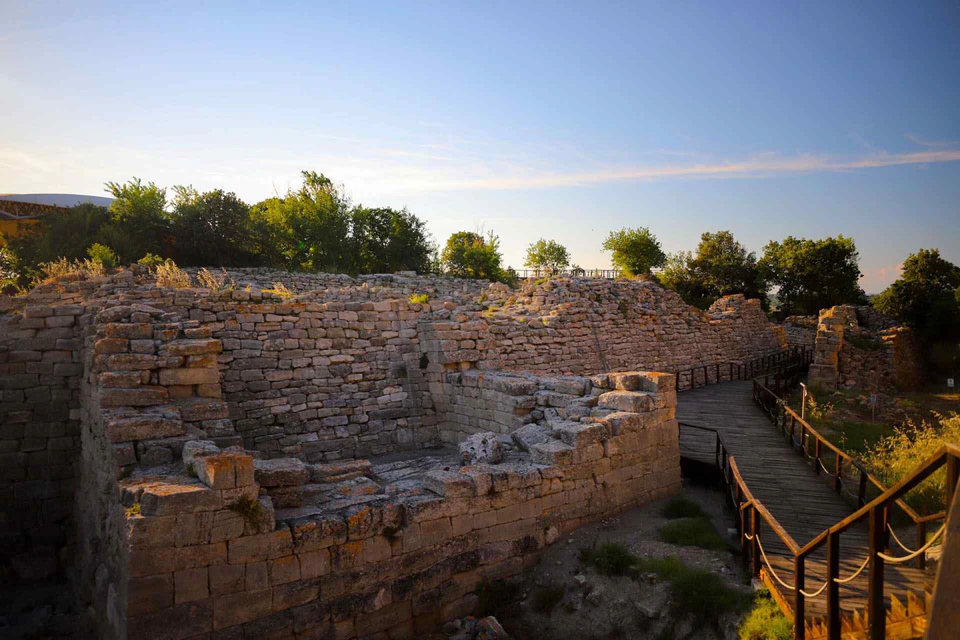
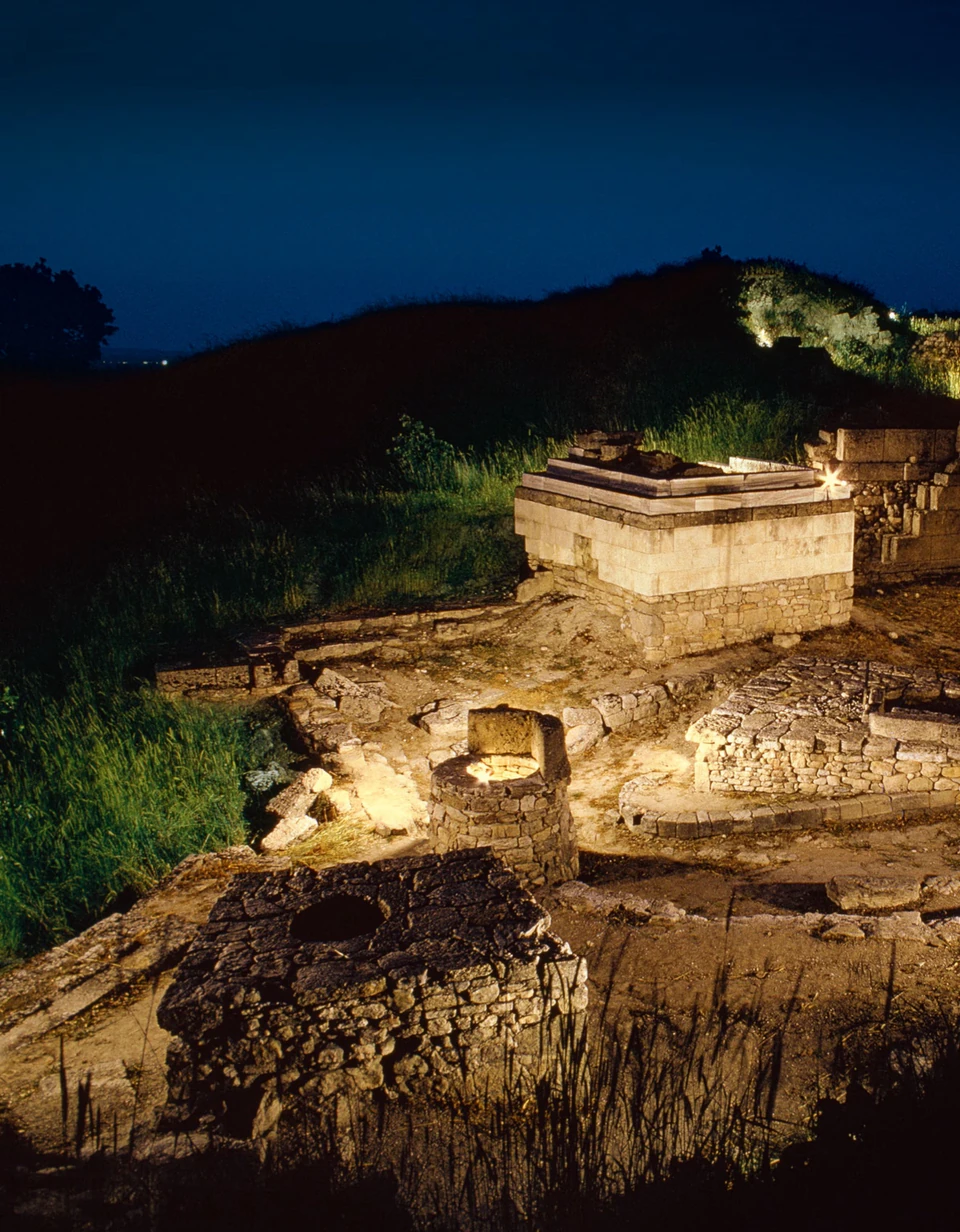
Troy is both an archaeological site and a place in the imagination. Its successive settlements reveal a long history of construction and change, while Homer’s Iliad gives the landscape a powerful literary association.
Walk with a guide who distinguishes the excavated evidence from the poem. The walls, gateways and surrounding plain invite questions about both worlds; we do not present the precise locations of legendary events as established fact.
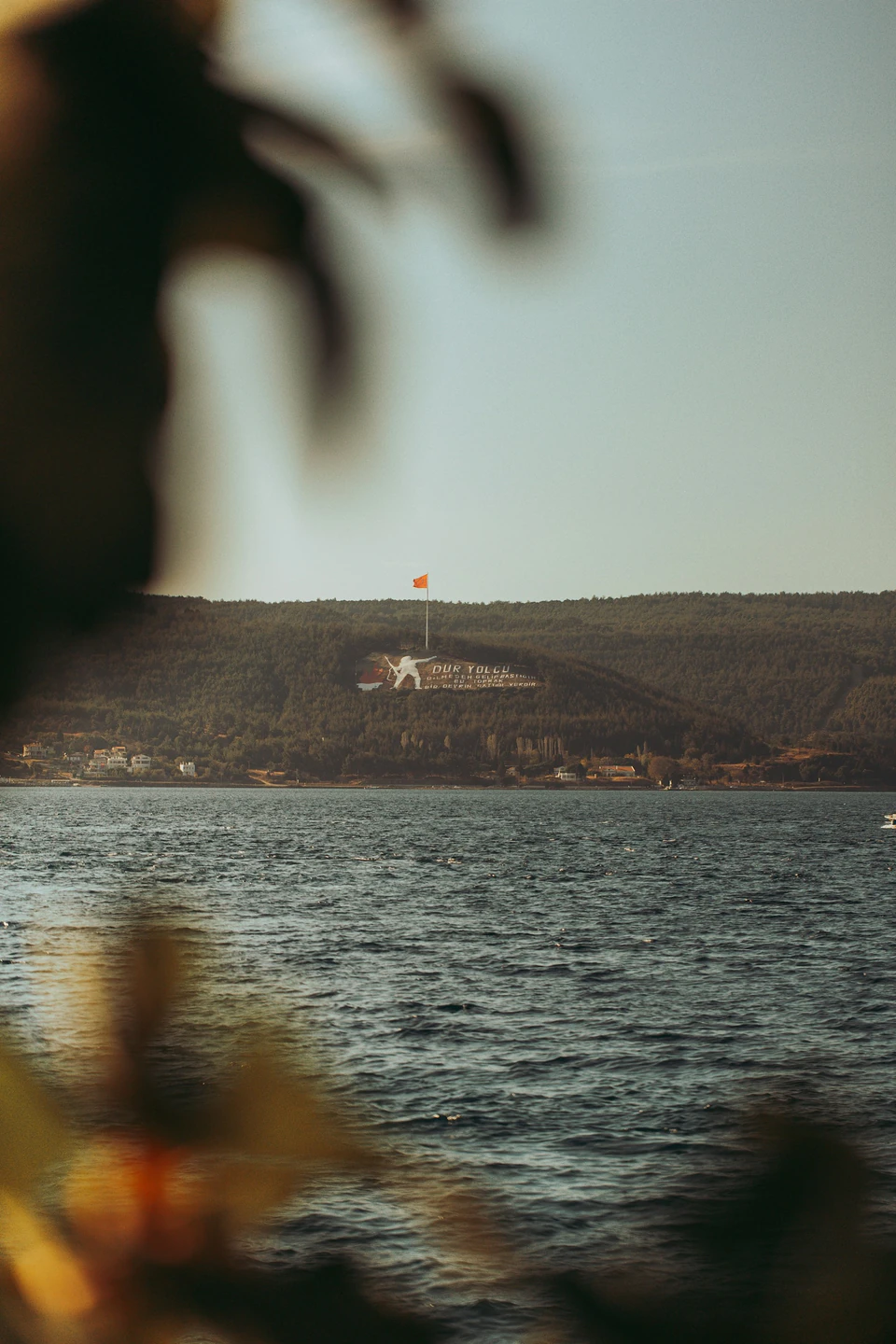
Gallipoli: The Peninsula of Remembrance
Across the strait, the Gallipoli peninsula holds the memory of the costly 1915 campaign. Cemeteries, memorials and surviving traces of the battlefield commemorate Ottoman and Allied forces, including Australian, New Zealand, British and French troops.
We approach a visit with the care it deserves, shaping the route around historical interests or a family connection. Where possible, we help research a particular memorial or name in advance and leave room for quiet reflection.
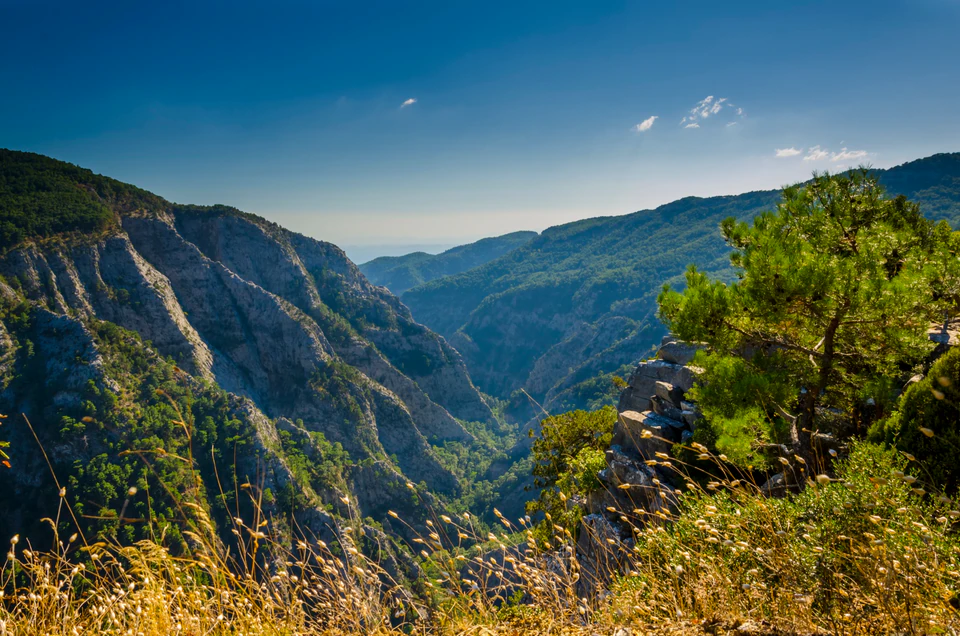
Mount Ida: The Throne of the Gods
Kazdağları, associated with the ancient Mount Ida, rises above a coast of olive groves and small settlements. In Greek mythology this landscape is connected with Zeus and the Judgement of Paris; today its appeal is also found in forest walks and mountain villages.
We select routes around the season, access conditions and your walking ability. A stay on the slopes can provide a restorative counterpoint to the archaeological sites and memorials of the Dardanelles.
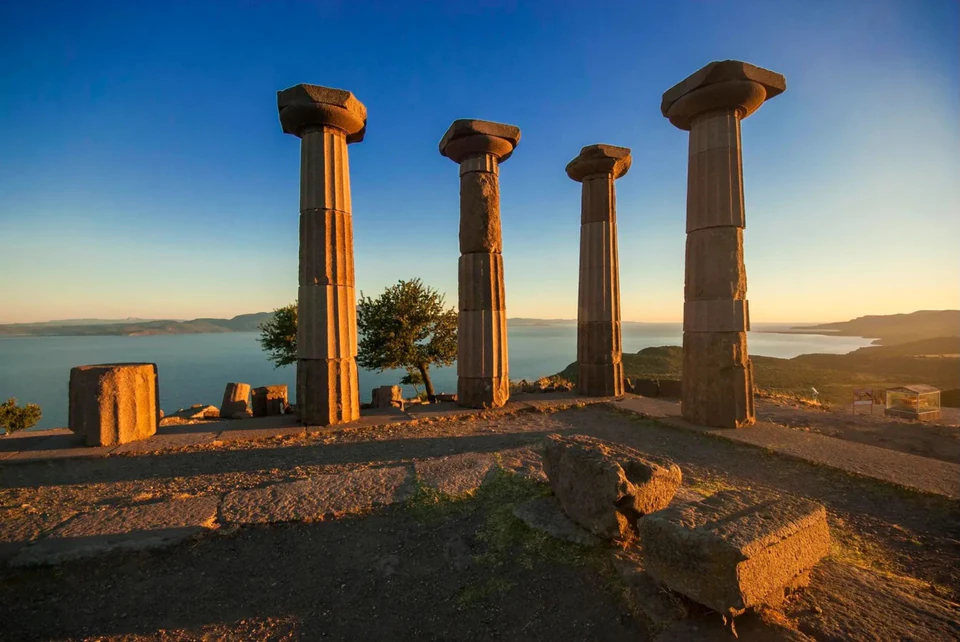
Assos: Where Aristotle Taught
Above the Aegean, the Temple of Athena marks the ancient city of Assos, where Aristotle spent part of his life. Below, the stone village of Behramkale and the waterfront offer a quieter setting in which to linger.
We combine the archaeological visit with time in the village or a meal by the harbour, within current site opening hours. The climb and uneven ground are considered when planning your route.
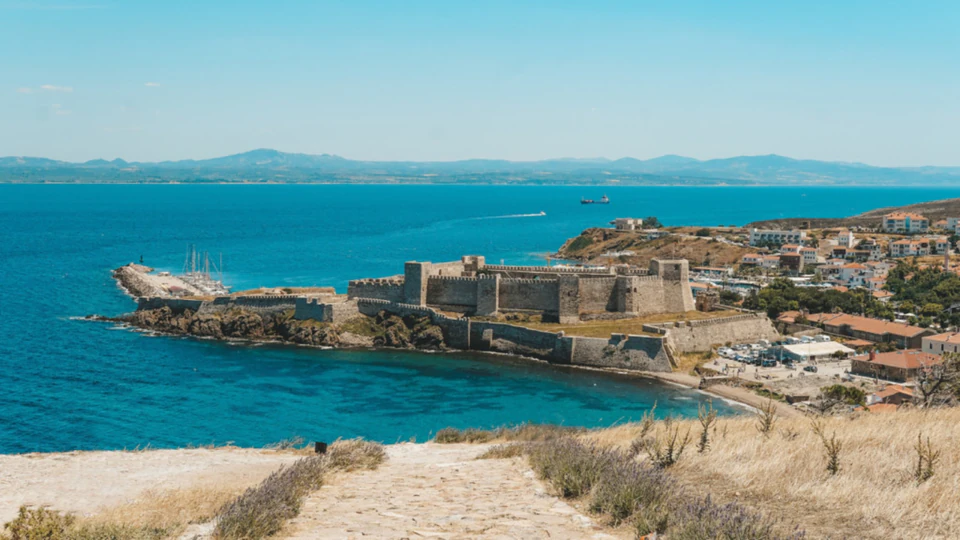
Bozcaada: The Island of Wine
Bozcaada, ancient Tenedos, lies a ferry journey from the mainland. Its castle, old town and vineyards make a natural continuation of a Dardanelles itinerary, while its place in the Trojan legend adds another layer to the journey.
Allow a day or stay longer for island evenings, vineyard tastings and time along the coast. We bring the crossing and the stay together, leaving you free to settle into the island’s rhythm.
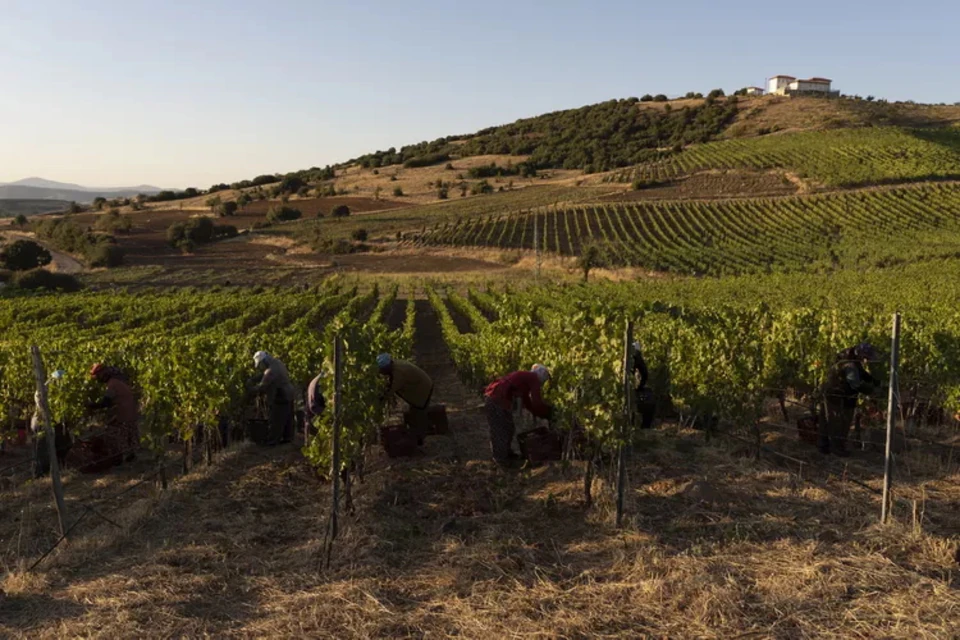
The Dardanelles Vineyards
The vineyards of the Dardanelles offer a different way to understand the region: through its climate, soils and the choices of contemporary growers. Local and international grape varieties sit alongside a long regional tradition of winemaking.
A hosted tasting adds another layer to a historical journey: the landscape understood through the glass. Take time with the wines, the stories behind them and the flavours of a region shaped by coast and countryside.
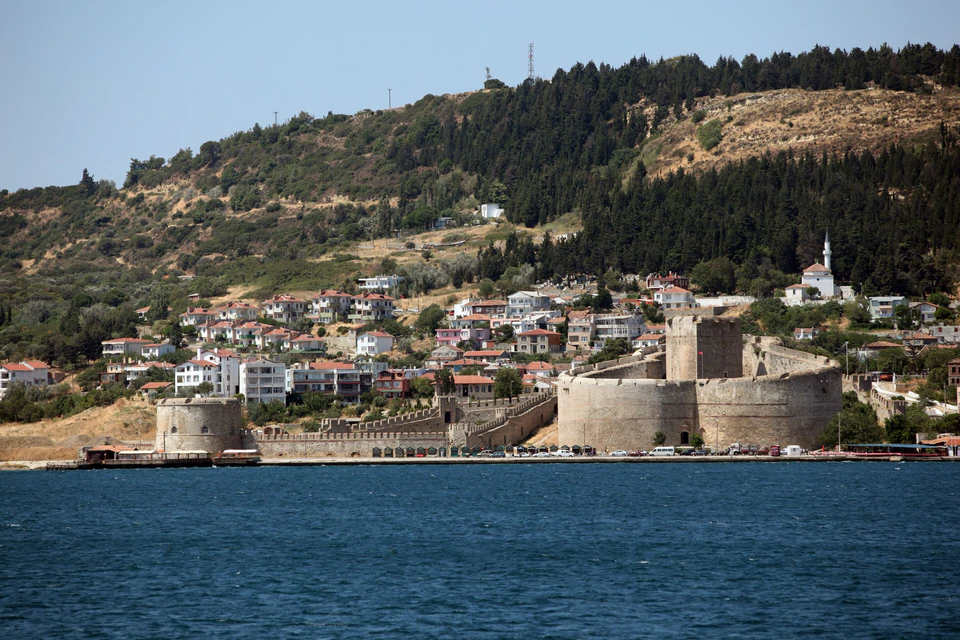
The Crossing of the Strait
The Dardanelles connects geography with history. Ancient accounts of Xerxes’ crossing, the legend of Hero and Leander and the later campaigns fought along its shores give this narrow waterway an unusually rich story.
A crossing brings the fortresses on either shore into view, including Kilitbahir. We weave the passage into your itinerary, connecting the landscape of the strait with the stories that make this stretch of water so significant.
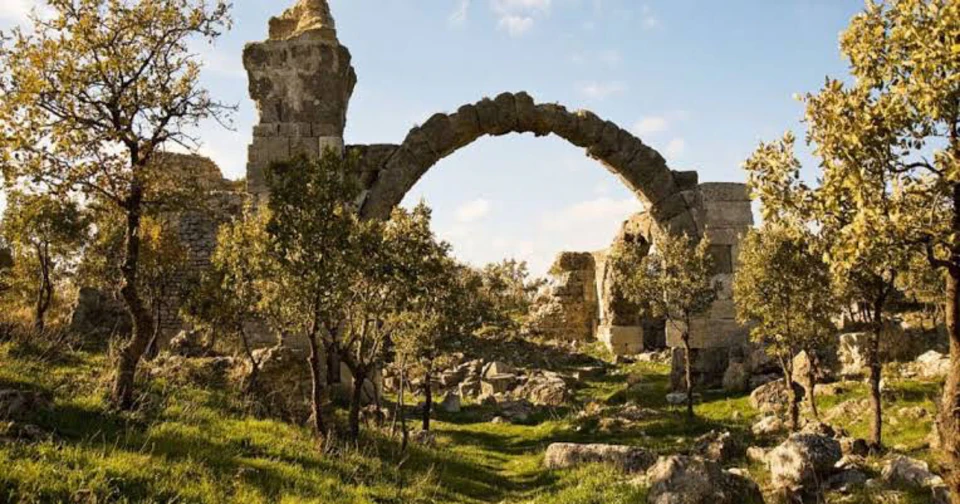
The Villages of the Troad
Beyond Troy and Gallipoli, the Troad rewards a slower journey. Olive-growing country, village markets and the remains of Alexandria Troas bring a different texture to the region’s better-known stories.
A producer visit, an archaeological walk, a coastal pause: we weave the stops around what draws you here. Leave time for a village square, a cup of tea and the pleasure of a day that does not hurry you.
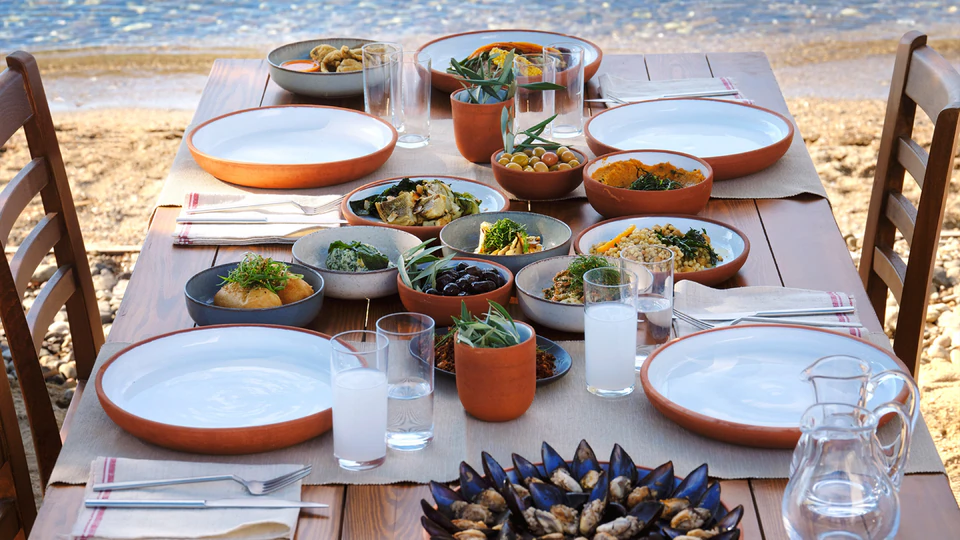
The Table of the Strait
The tables around the Dardanelles connect coast and countryside: olive-oil dishes, seasonal greens, local cheeses and fish when available. A meal can offer another way into the places you have spent the day exploring.
Linger over lunch near Assos or discover regional flavours through a hosted tasting. We bring the table into the story of your day, connecting what grows here with the people who know it best.
A personal perspective — Gallipoli
A More Personal Reading of Troy
Explore Troy with a guide whose knowledge connects the excavated city with its literary legacy. We plan around published visiting hours and the rhythm of your day, with time for questions rather than a hurried circuit.
For those drawn to Gallipoli, a private day of remembrance can focus on a particular campaign, memorial or family connection. We give those stories the time and thoughtful attention they deserve.
Arranged privately, by relationship. Ask us.
The next step
Begin in Gallipoliwith family in Türkiye
Tell us what draws you to Gallipoli. We will discuss your interests, dates and preferred pace before shaping a proposal.